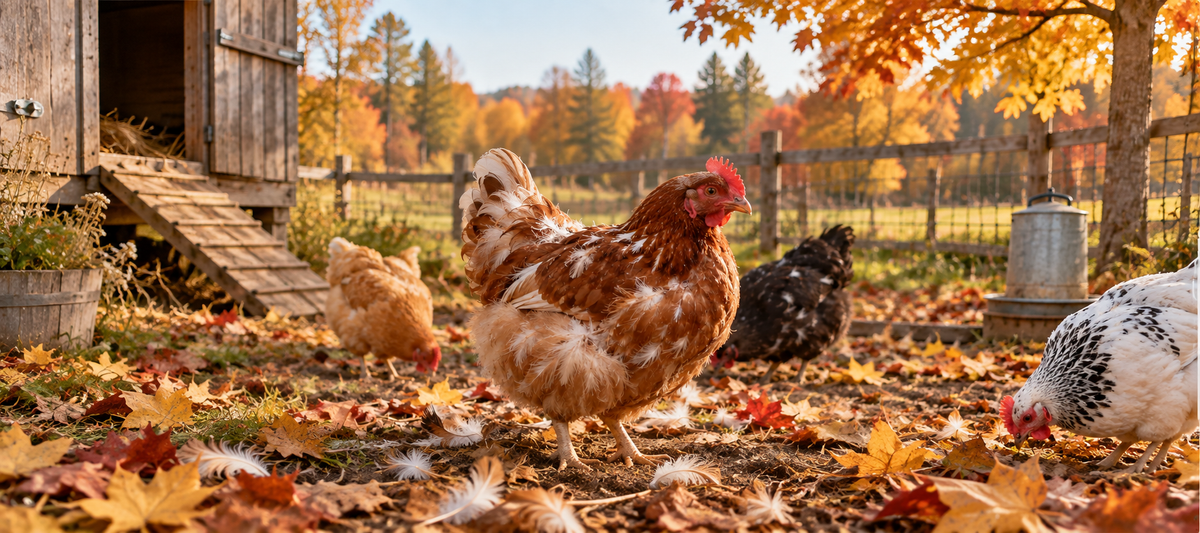
Did You Know?
...that feathers are made up of nearly 85% protein, primarily in the form of keratin? When a hen molts, she has to rebuild her entire plumage from scratch, all while adjusting to the changing season. That's an enormous energy demand on such a small body!
Why Egg Production Slows Down (And That's Perfectly Normal)
During molting, a hen's energy is redirected toward feather regrowth rather than egg production. It's completely normal for egg laying to decrease, or even stop altogether, for several weeks. Her body is simply prioritizing what matters most.
How Camelina Meal Can Help
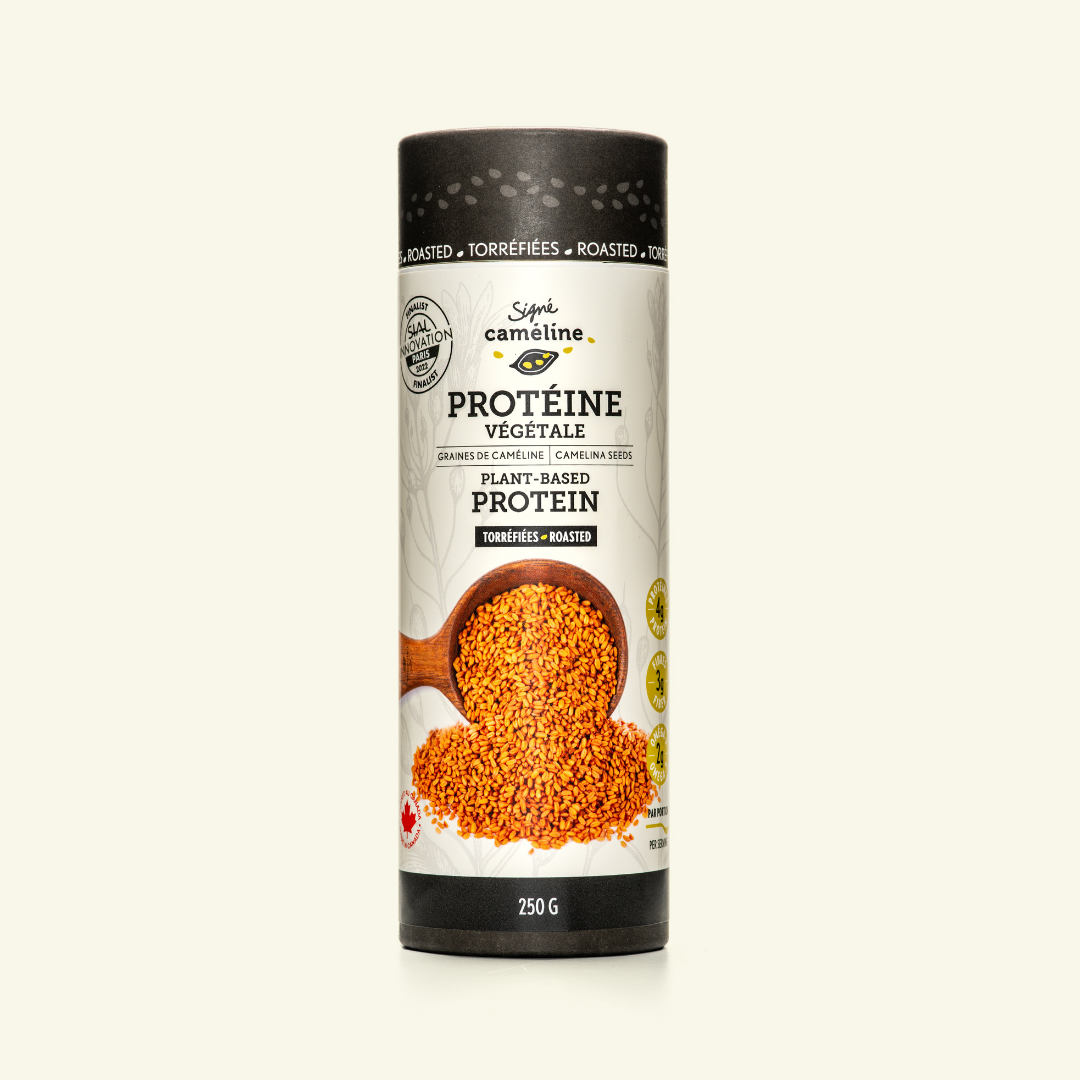
This is where our camelina meal protein supplement comes in. With approximately 37% complete protein and 27% fiber, it provides valuable nutrients to help support hens during this demanding period.
And the connection goes even deeper: feather keratin is particularly rich in cysteine, a sulfur-containing amino acid that helps give feathers their strength. Producing these feathers requires significant nutritional resources.
Camelina meal contains methionine and cysteine at levels comparable to, or even higher than, those found in soybean meal. These sulfur-containing amino acids play an important role in feather development and regrowth.
Adding a little camelina meal to your hens' diet can provide targeted nutritional support when they need it most, potentially helping them recover and return to their normal laying cycle.
In Summary: Molting makes fall a busy season for our hens! Providing extra protein at the right time, along with the right amino acids, can make all the difference between a flock that's struggling to keep up and one that's ready to bounce back stronger.
Scientific References:
-
Juodka, R.; Nainienė, R.; Juškienė, V.; et al. Camelina (Camelina sativa (L.) Crantz) as Feedstuffs in Meat Type Poultry Diet: A Source of Protein and n-3 Fatty Acids. Animals 2022, 12, 295. https://doi.org/10.3390/ani12030295
-
Sulfur amino acid content (cysteine) in feathers: Kroismayr, A. et al., Does the Optimal Dietary Methionine to Cysteine Ratio in Diets for Growing Chickens Respond to High Inclusion Rates of Insect Meal? Animals 2019.