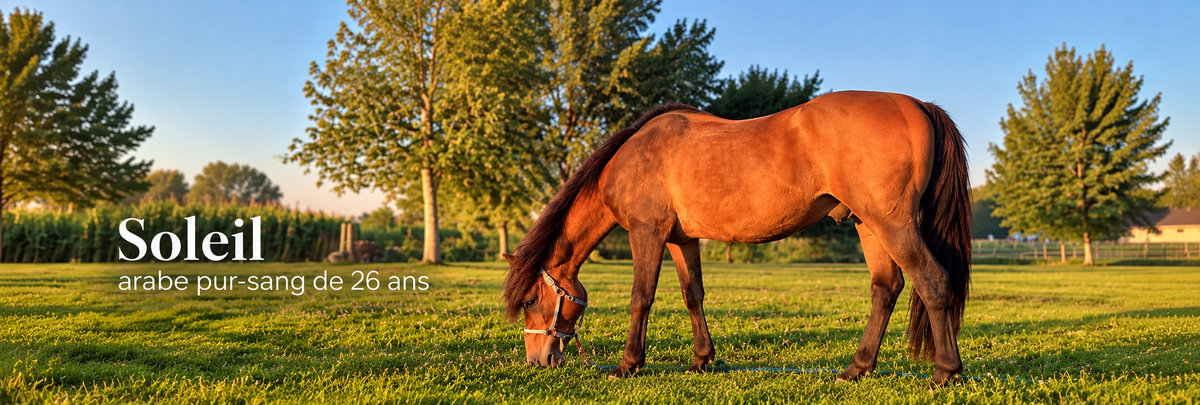
The leaves are changing colour, the days are getting shorter, and blankets are slowly coming out of storage. There's no doubt about it, fall has arrived!
For our horses, this season brings several changes: less time on pasture, a thicker coat, and for some, the end of a busy competition season.
Here are 7 tips to help your equine companion transition smoothly into winter!
1. Water: Don't Let the Cold Reduce Their Thirst!
As temperatures drop, some horses tend to drink less, especially when the water becomes very cold.
However, proper hydration remains essential, particularly for supporting healthy digestion.
Good habits to adopt:
-
Provide clean water, ideally at a moderate temperature and never frozen.
-
Check water troughs at least twice a day.
-
Keep an eye on water intake and manure.
💡 Did you know? A horse that isn't drinking enough may appear perfectly normal at first. That's one more reason to keep an eye on their habits!
2. From Pasture to Hay: A Transition That Makes All the Difference
Fresh grass contains a lot of water, unlike hay, which is much drier. As pasture becomes scarce, your horse needs to drink more water to compensate.
A sudden change in diet can also disrupt digestion.
Our advice: Introduce hay gradually, choose good-quality forage, and make sure you have enough to last throughout the winter.
3. Less Fresh Grass, Less Omega-3?
Did you know that fresh grass is a natural source of omega-3 fatty acids?
When pasture is replaced by hay, your horse's intake of these beneficial fats may decrease.
That's where camelina comes in!
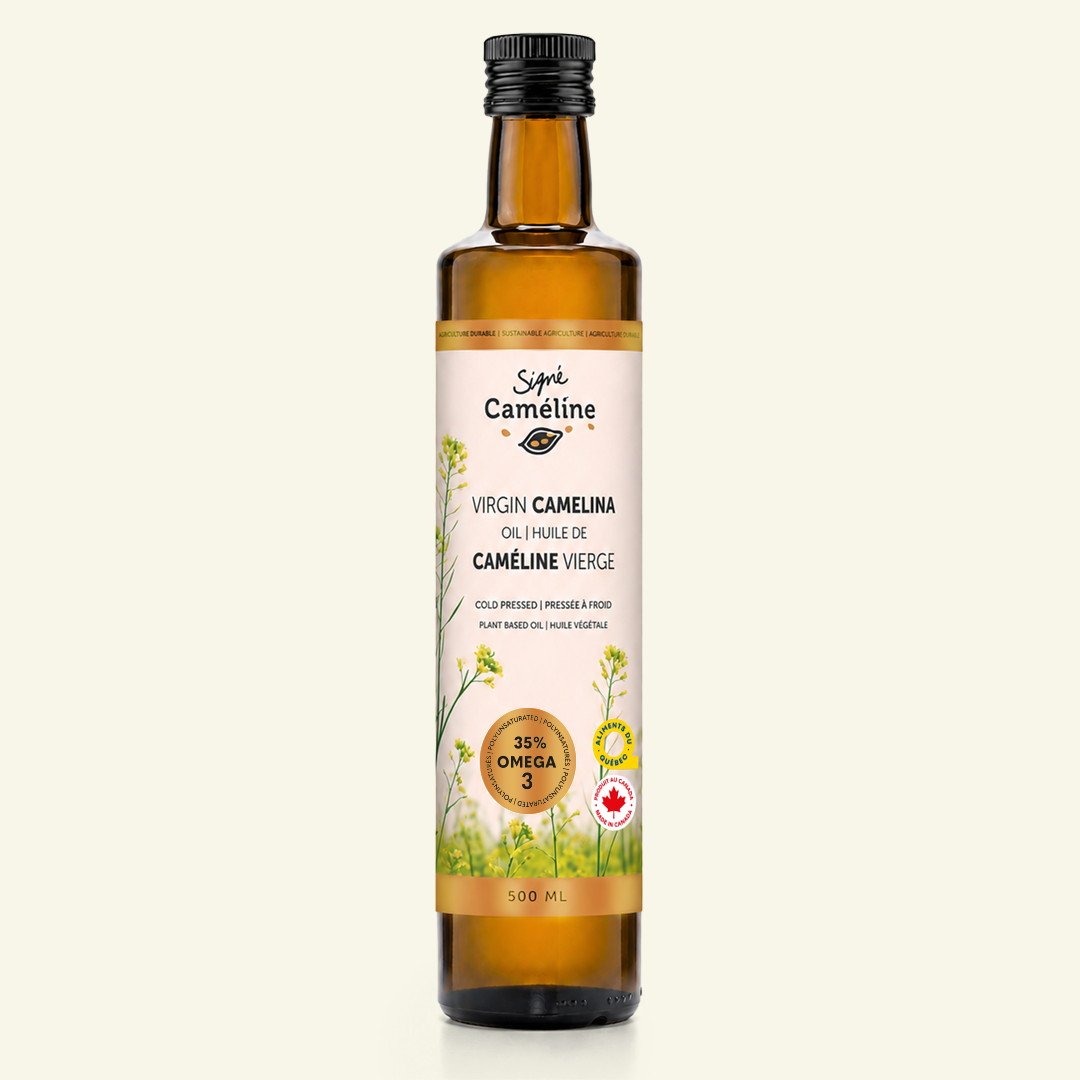
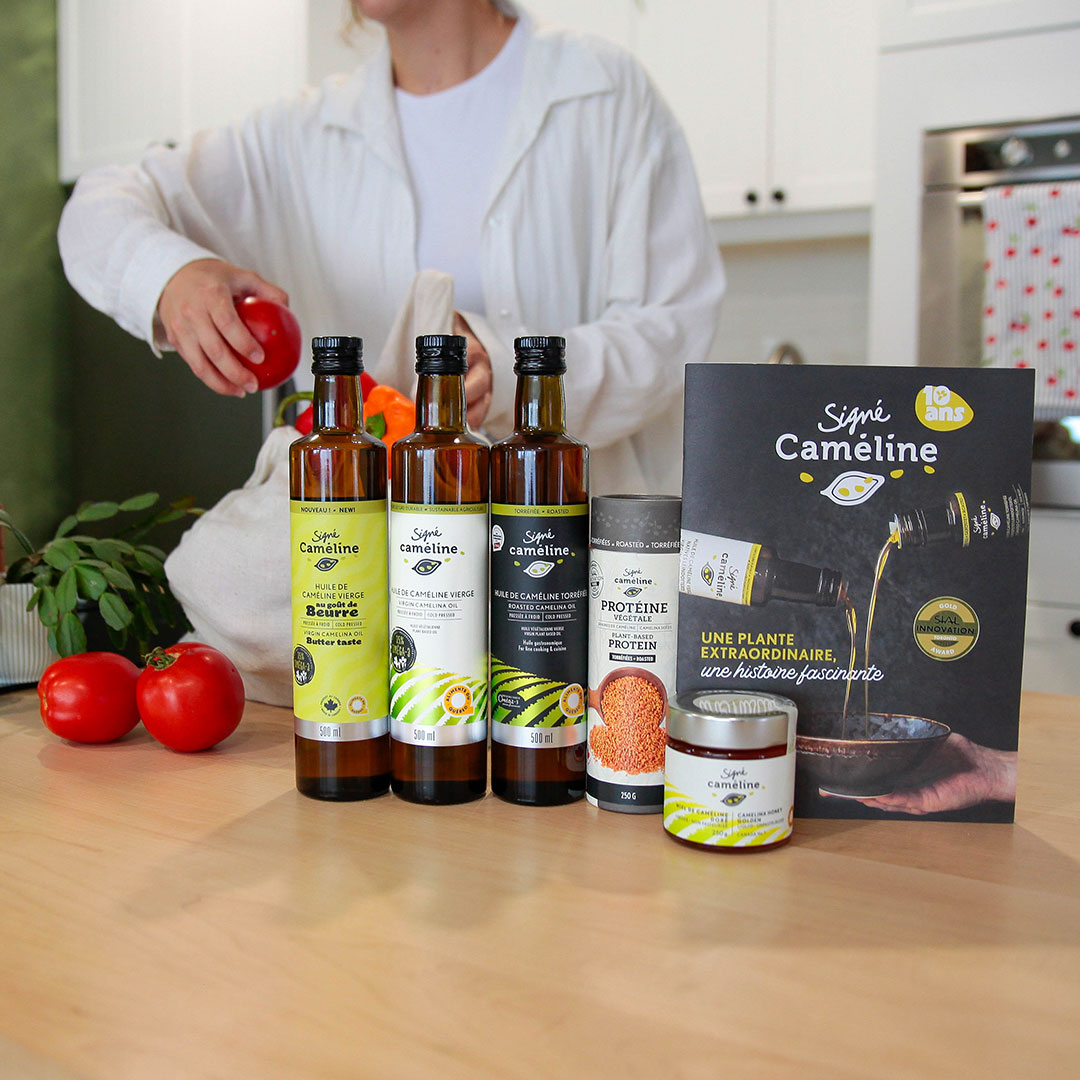
Grown in Quebec, this small plant produces an oil naturally rich in omega-3 fatty acids. Signé Caméline's camelina oil for horses contains approximately 35% omega-3 and can help support healthy skin, coat quality, and normal mobility.
A great way to complement a balanced diet, especially when fresh grass becomes less available!
4. Competition Season Is Over: Time for Recovery!
After months of training, competitions, or trail riding, fall often brings a slower pace.
But even when activity levels decrease, proper nutrition remains important to help your horse stay in good condition!
Have you heard of camelina protein?
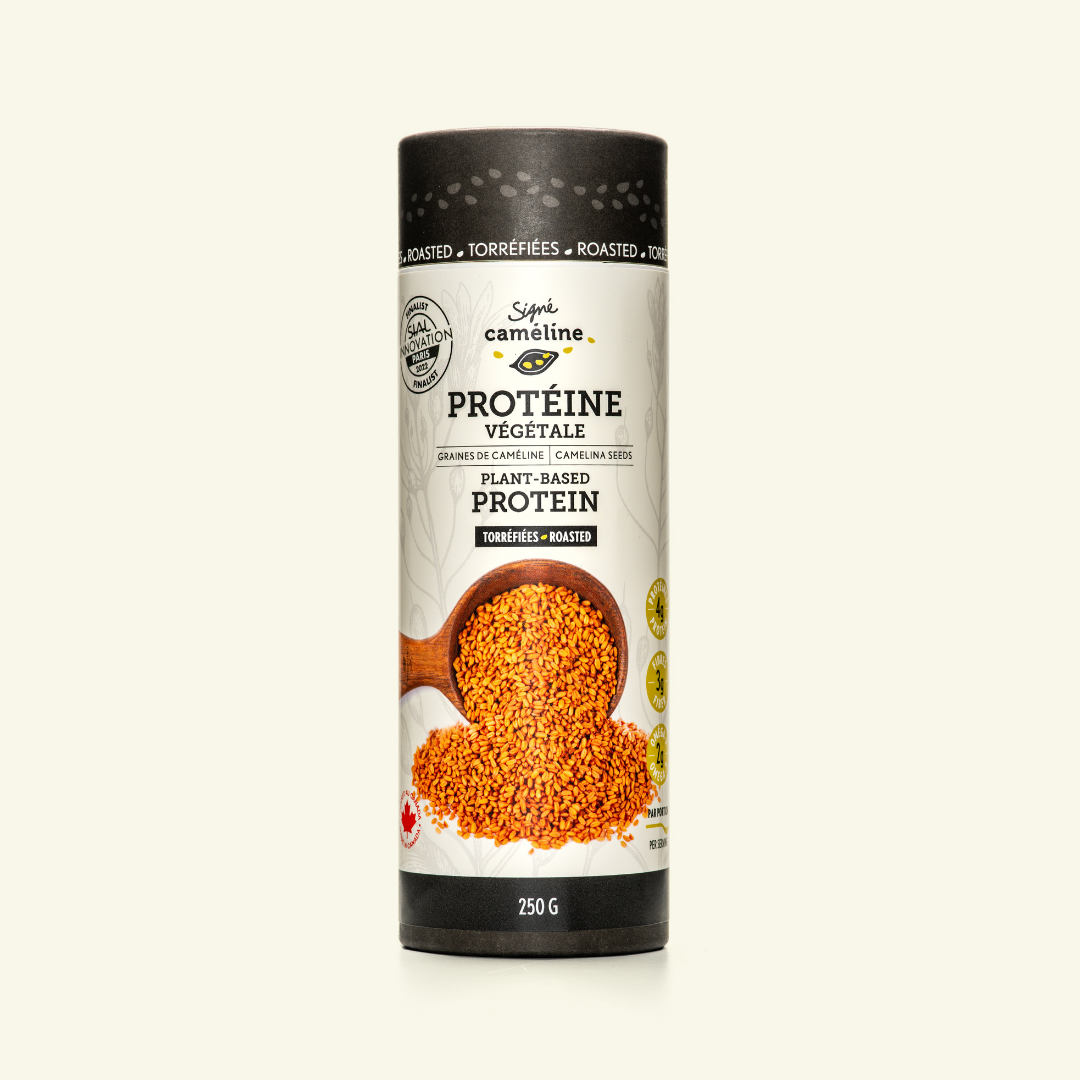
Made from camelina seeds after the oil has been extracted, our camelina protein contains 37% protein and all 10 essential amino acids.
It can help maintain muscle condition and may be a valuable nutritional supplement after a busy season, depending on your horse's individual needs.
💡 A little tip: Gradually reduce training intensity and adjust your horse's feed ration to match their new activity level.
5. Winter Coat: Sometimes a Little Too Warm!
As the days grow shorter, your horse naturally begins developing a thick winter coat.
Perfect for handling cold weather, but sometimes a little too warm during those beautiful fall days!
A horse that sweats heavily during exercise may take longer to dry.
A few helpful tips:
-
Adjust training sessions according to the temperature.
-
Make sure your horse dries properly after exercise.
-
Use a cooler blanket when needed.
-
Consider partial clipping for highly active horses.
Keep in mind: Not every horse needs a blanket. The important thing is to choose what works best for the weather conditions and your horse's individual needs.
6. Our Senior Companions Deserve a Little Extra Attention
As colder weather approaches, some older horses may have more difficulty maintaining their weight and overall body condition.
Now is the perfect time to give them a little extra care!
Good habits to adopt:
-
Regularly monitor their weight and overall condition.
-
Check their dental health to ensure they can comfortably eat hay.
-
Adjust their diet according to their nutritional needs.
-
Consider an appropriate blanket to help them retain body heat and conserve energy during colder days.
Thanks to its protein content, camelina protein may also be beneficial for some senior horses, particularly in helping maintain muscle condition.
Because as our companions grow older, every little gesture of care matters!
7. Is Your Stable Ready for the First Frost?
Before winter arrives, a little preparation can help you avoid unpleasant surprises!
Your fall stable checklist:
-
Check heated water troughs and have a backup plan in case of a power outage.
-
Make sure you have enough hay for the winter.
-
Inspect blankets, shelters, and fences.
-
Secure areas that could become slippery.
-
Schedule veterinary, dental, and farrier appointments.
-
Keep your emergency veterinarian's contact information close at hand.
Most importantly, take time to observe your horse every day. Any unusual change in behaviour, appetite, or daily habits deserves your attention.
A Smooth Fall Transition with Signé Caméline
Fall is a season of transition, but it's also a great opportunity to adjust your horse's daily routine.
Proper hydration, balanced nutrition, and a little preparation can make all the difference as colder days approach.
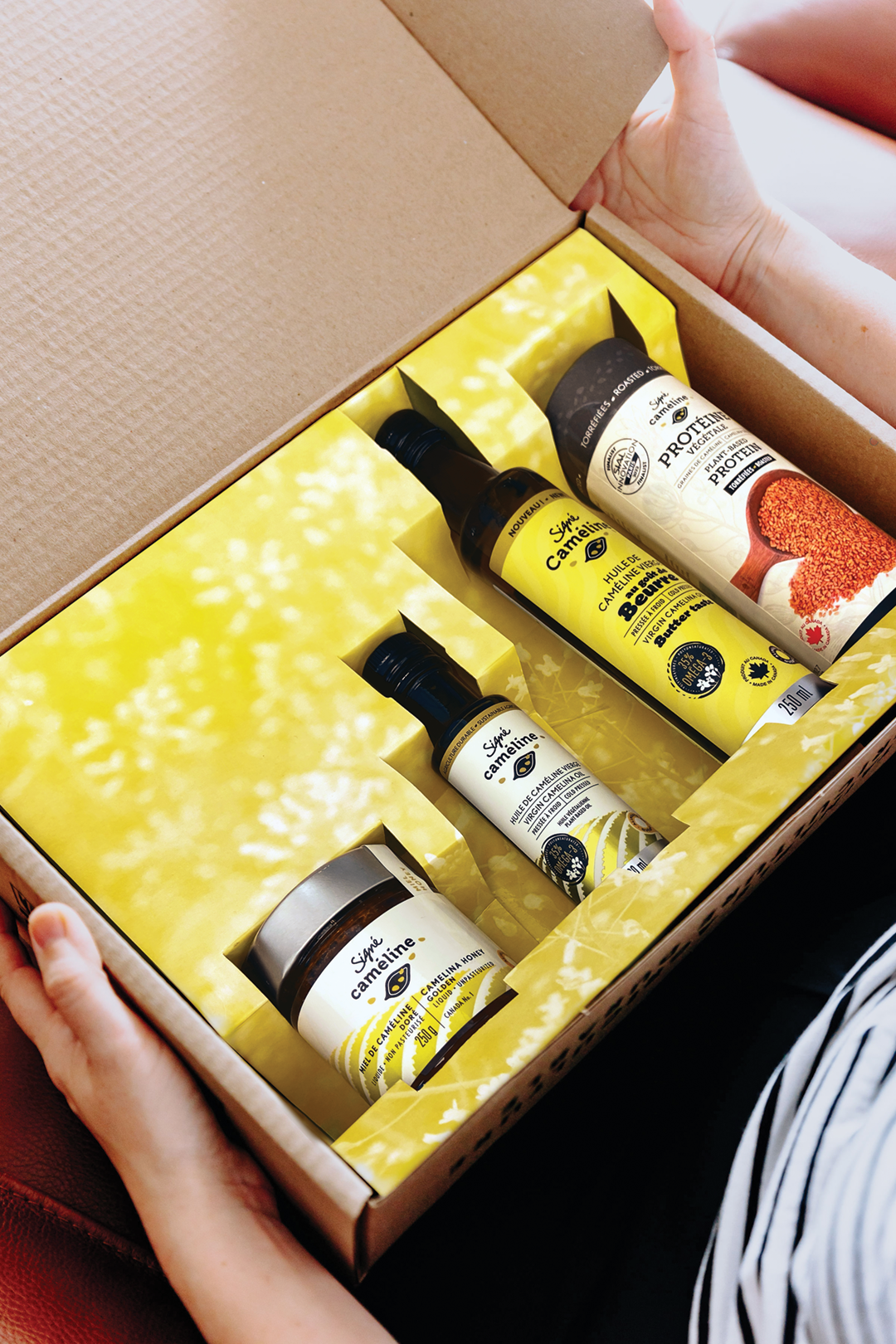
At Signé Caméline, we believe that our animals' well-being also starts with quality nutrition. That's why we make the most of camelina, a plant grown right here in Quebec, through our omega-3-rich oil and camelina protein.
Because caring for our companions also means adapting alongside them as the seasons change.
Written by Florence Rouillier and Dominique Derome