Listen to the full review from Mélanie and the Rythme FM Estrie team
When Mélanie introduced camelina into her cooking, she didn't expect it to be such a hit. Between the omega-3 rich oil, the texture of the seeds, and the famous butter oil, she quickly adopted camelina from steak to dessert.
In this article, we gather her impressions, her favorite recipes and the reasons why camelina has definitely earned its place in her pantry.
The benefits of camelina in cooking
An oil rich in good fats
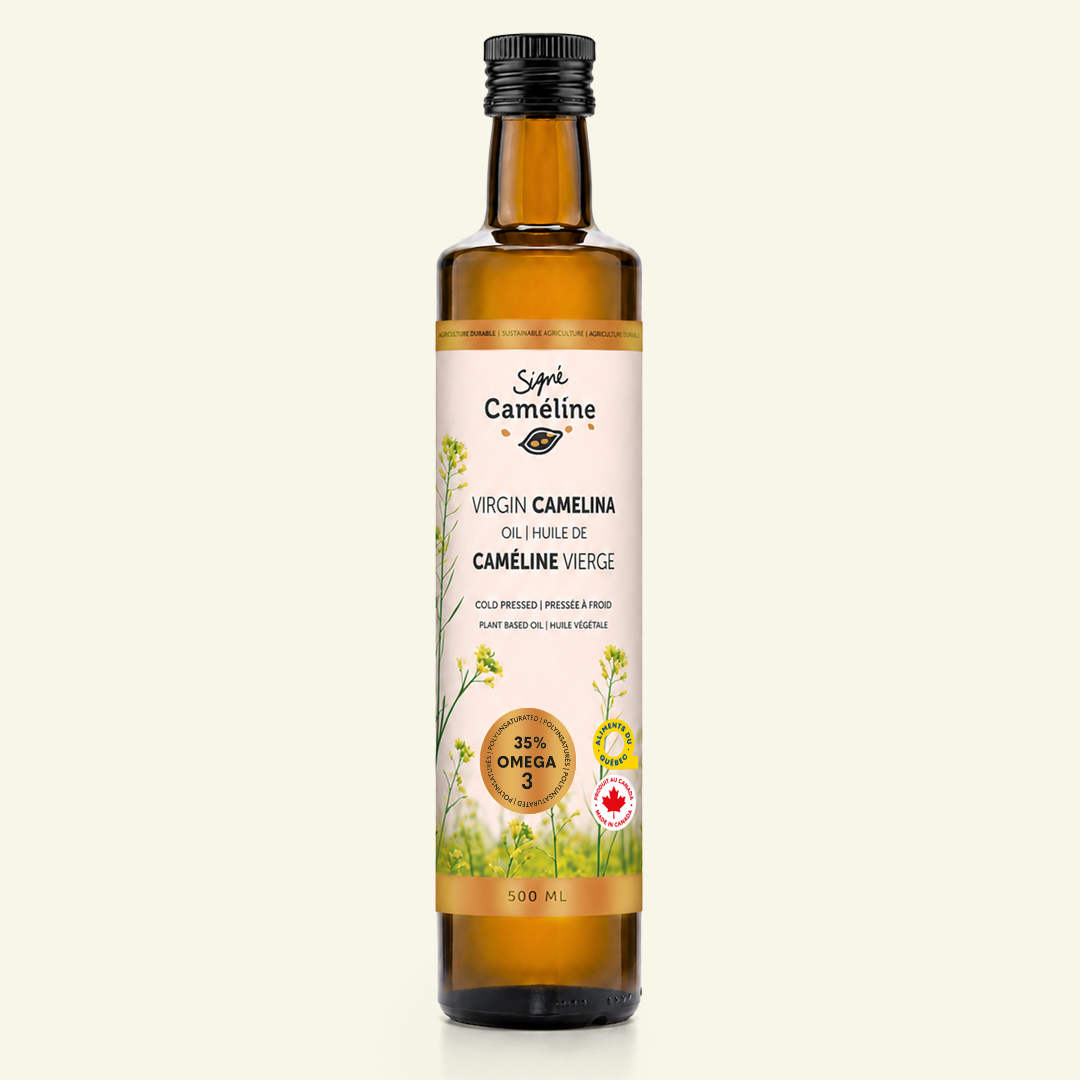
Camelina is a plant naturally rich in omega-3 fatty acids. Its oil is one of those "good oils" that we like to have on hand for everyday cooking. Used in place of a more neutral oil, it adds valuable nutritional value to your dishes without complicating your recipes.
For Mélanie, it quickly became a reflex: a drizzle of camelina oil in a tartare, a stir-fry, a salad or even in a marinade, and the dish gains in richness and balance.
An oil that can withstand heat
One of the things that surprised Mélanie the most was the stability of the camelina when cooked.
It withstands heat very well, without burning, without excessive smoking and without leaving a bitter taste.
The result: whether searing tataki, cooking a steak over high heat, or roasting vegetables in the oven, camelina oil becomes an ideal ally. The meat remains juicy, the aromas are preserved, and the oil's flavor complements, rather than masks, the rest of the recipe.
A taste that enhances, without overpowering
Unlike some very neutral oils, camelina has a delicate yet noticeable flavor, with notes reminiscent of seeds and nuts. Mélanie particularly appreciates this characteristic: in her recipes, camelina adds a touch of indulgence without overpowering the other ingredients.
This is what makes it a particularly interesting oil for delicate dishes such as salmon tartare, beef tataki, or grilled vegetables. Camelina enhances, without overpowering.
Options for different needs: oil, butter, and soy-free soy sauce
Beyond classic camelina oil, Mélanie also tested more specific products, perfect for adapting to individual tastes and needs:
Camelina oil with butter : ideal for those who love the taste of butter but want a practical alternative for cooking. It's perfect for popcorn, pan-fried vegetables, eggs, or toasted sandwiches. 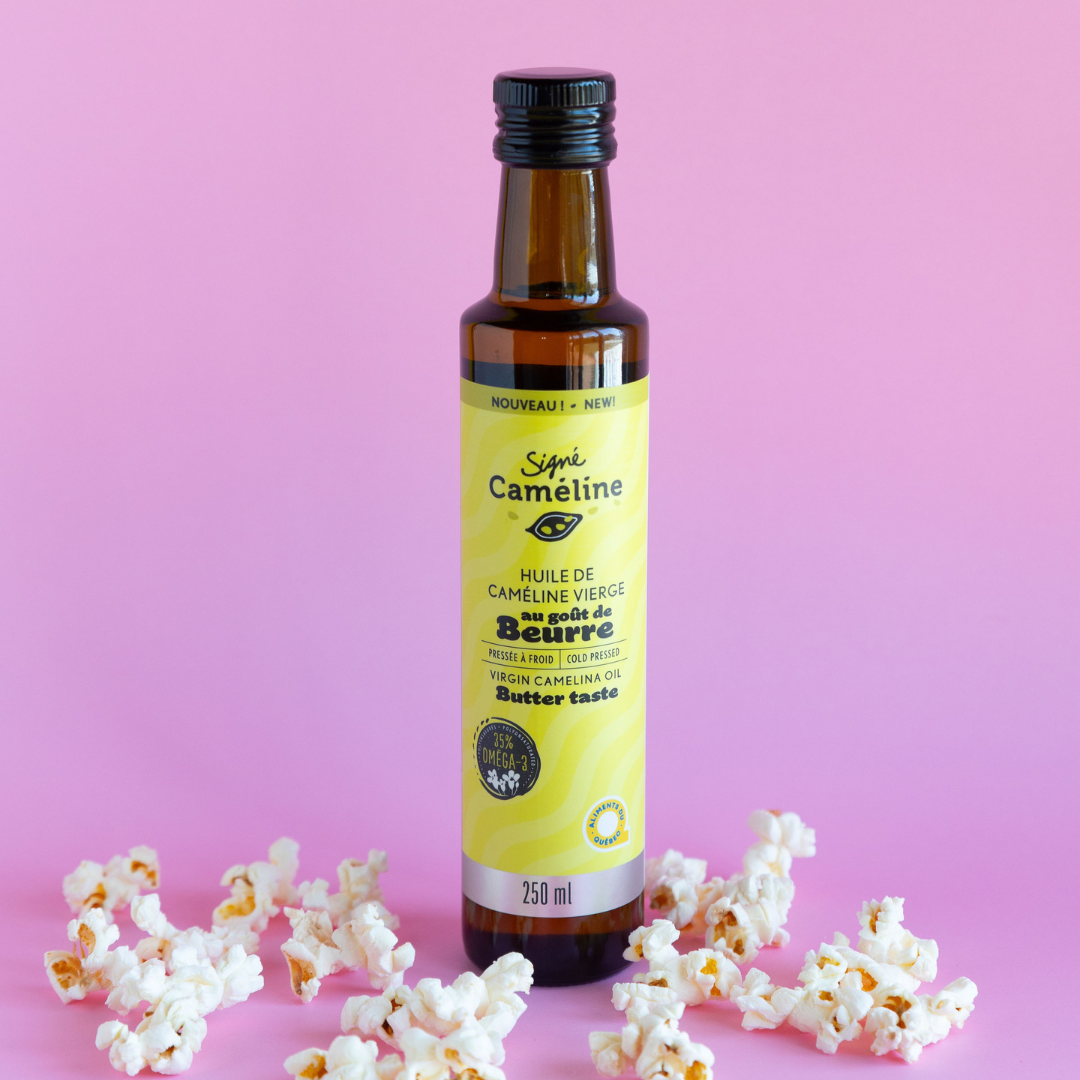
Soy-free soy sauce : an inspiring option for people with soy allergies or who want to reduce their consumption. It retains the essence of soy sauce, but with a different formulation, making it practical for marinades, meal bowls, and stir-fries. 
Here's what Mélanie says about it:
"It's an amazing oil, both in terms of taste and cooking performance."
"We used it in tataki, tartare, and even on popcorn – each time, it enhances the dish without masking it."
Melanie's favorite recipes
To truly put camelina to the test, Mélanie tried it in several types of recipes: meat, fish, snacks, and everyday dishes. Here are some of her favorites, which you can recreate at home.
Beef tataki with camelina
Filet mignon tataki is one of the recipes that has most impressed Mélanie.
The meat is seared over high heat in camelina oil, then coated with a camelina seed crust. The cooking remains perfectly controlled, the crust is flavorful, and the oil withstands the heat perfectly, without smoke or bitterness.
Salmon tartare with camelina
Salmon tartare is another must-try.
Mélanie incorporates camelina oil for a creamy texture and camelina seeds for a crunchy element. The result: a fresh, balanced, and slightly indulgent tartare that was a hit with everyone at the table.
And much more: from appetizers to dinner
Camelina is not limited to a few “signature” recipes.
Like Mélanie, you can use it in several everyday dishes:
- drizzled over roasted vegetables straight from the fire;
- in a homemade vinaigrette (camelina, mustard, lemon, fresh herbs);
- to pan-fry fish or shrimp;
- in a savory breakfast bowl or a savory granola with camelina seeds;
- as a finishing touch on a bowl of soup or ramen.
Our site is full of camelina-based recipe ideas !
How to incorporate camelina into your routine
You don't need to revolutionize your cooking to incorporate camelina. A few simple steps are all it takes:
- Gradually replace your usual oil with camelina oil in some everyday recipes (stir-fries, roasted vegetables, marinades).
- Keep a bottle on the counter to remind yourself to use it for both cooking and finishing.
- Use oil instead of butter for popcorn, eggs, vegetables, or grilled sandwiches.
- Replace traditional soy sauce with soy-free soy sauce in your marinades, meal bowls and stir-fries.
Like Mélanie, you can start with a recipe you already know, then simply replace the oil or sauce with a camelina-based version. You'll quickly see how it subtly transforms the taste and texture of your dishes.
Want to try the products that Mélanie cooked?
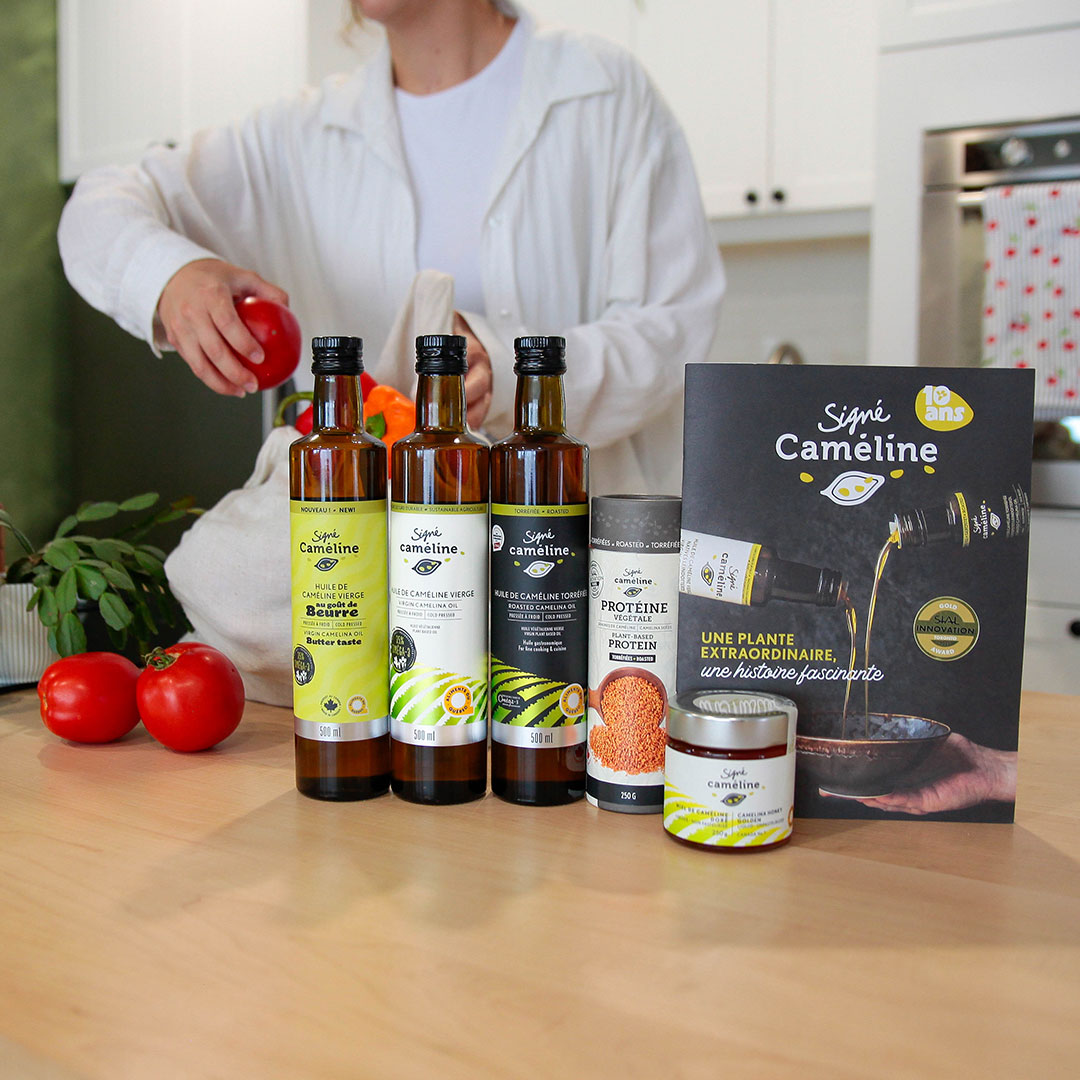
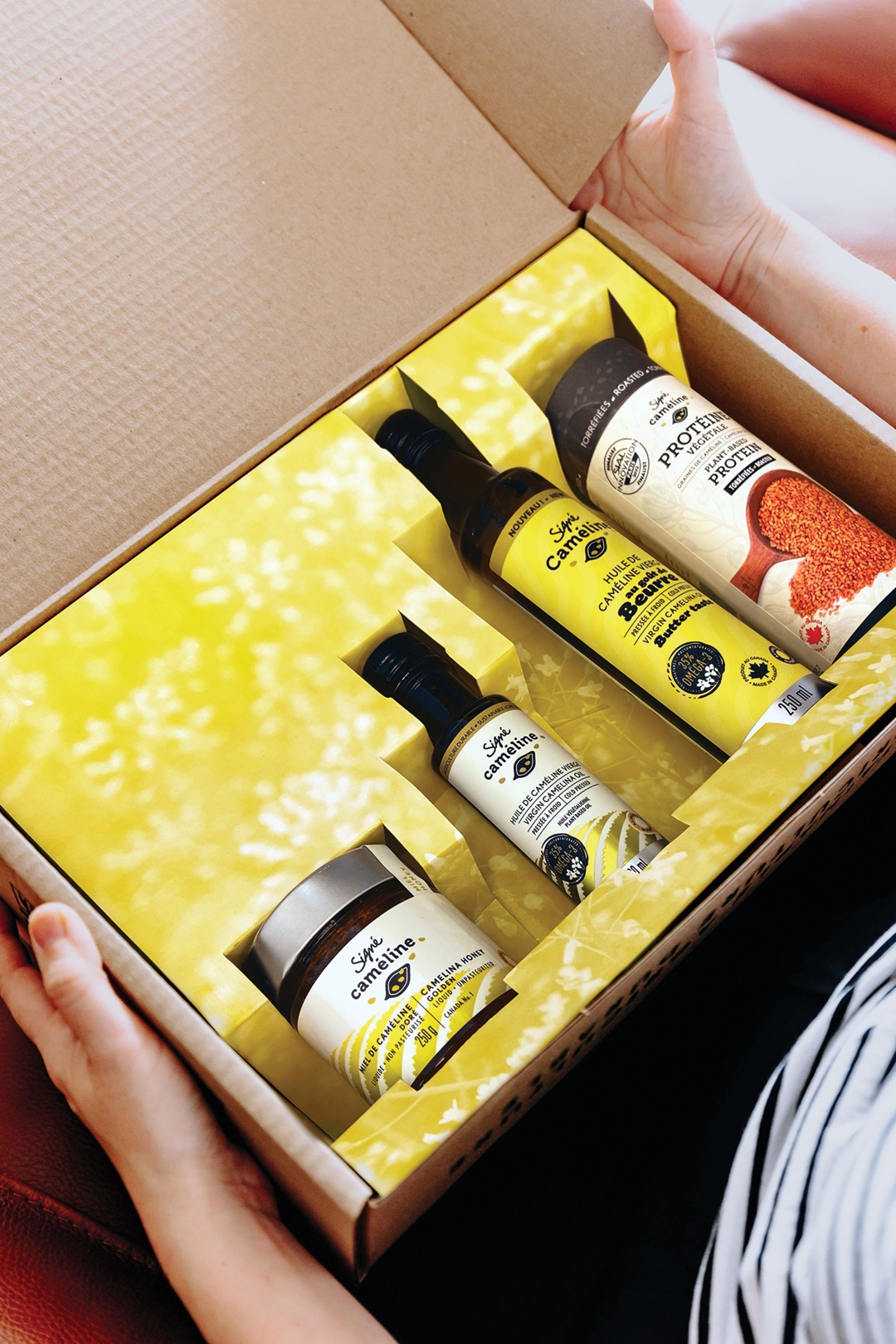
To recreate Mélanie's recipes at home, you can use the products she has used most often:
- classic camelina oil , for cooking and finishing;
- Camelina oil with butter , for comforting recipes and popcorn;
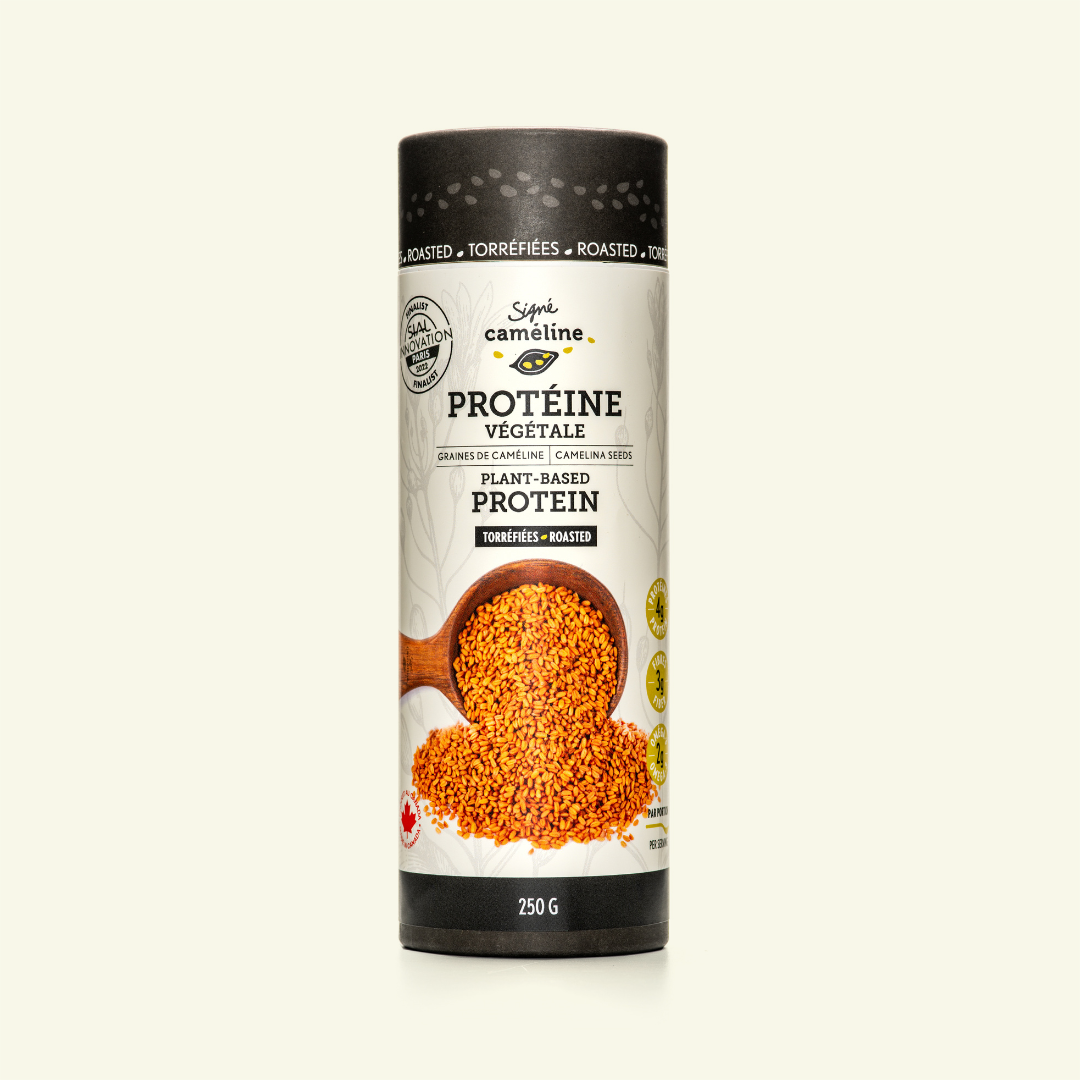
- camelina seeds, to add crunch and nutrients;
- The new Shoyu sauce , the soy-free soy sauce, to reinvent your marinades and meal bowls.