Published by RICARDO CUISINE
Also known as false flax or German sesame, camelina has been cultivated for over 3,000 years. Used to produce oil and feed livestock, this plant is now experiencing a resurgence in popularity thanks to its exceptional nutritional qualities. Here are five surprising facts about this ancient plant.
1. Ancestral origin
Also called false flax or German sesame , camelina has been known in Europe and Central Asia for over 3,000 years. Its seeds were used for oil production, its press cake (the residue obtained from extracting the oil from the seeds) for livestock feed, and its stems for making brooms. Camelina cultivation was largely abandoned in favor of more productive oil-bearing crops, such as canola and soybeans, but it is experiencing a resurgence of interest due to its nutritional qualities . Although we produce it in Quebec, its culture remains limited on a global scale.
2. Surprising flavor
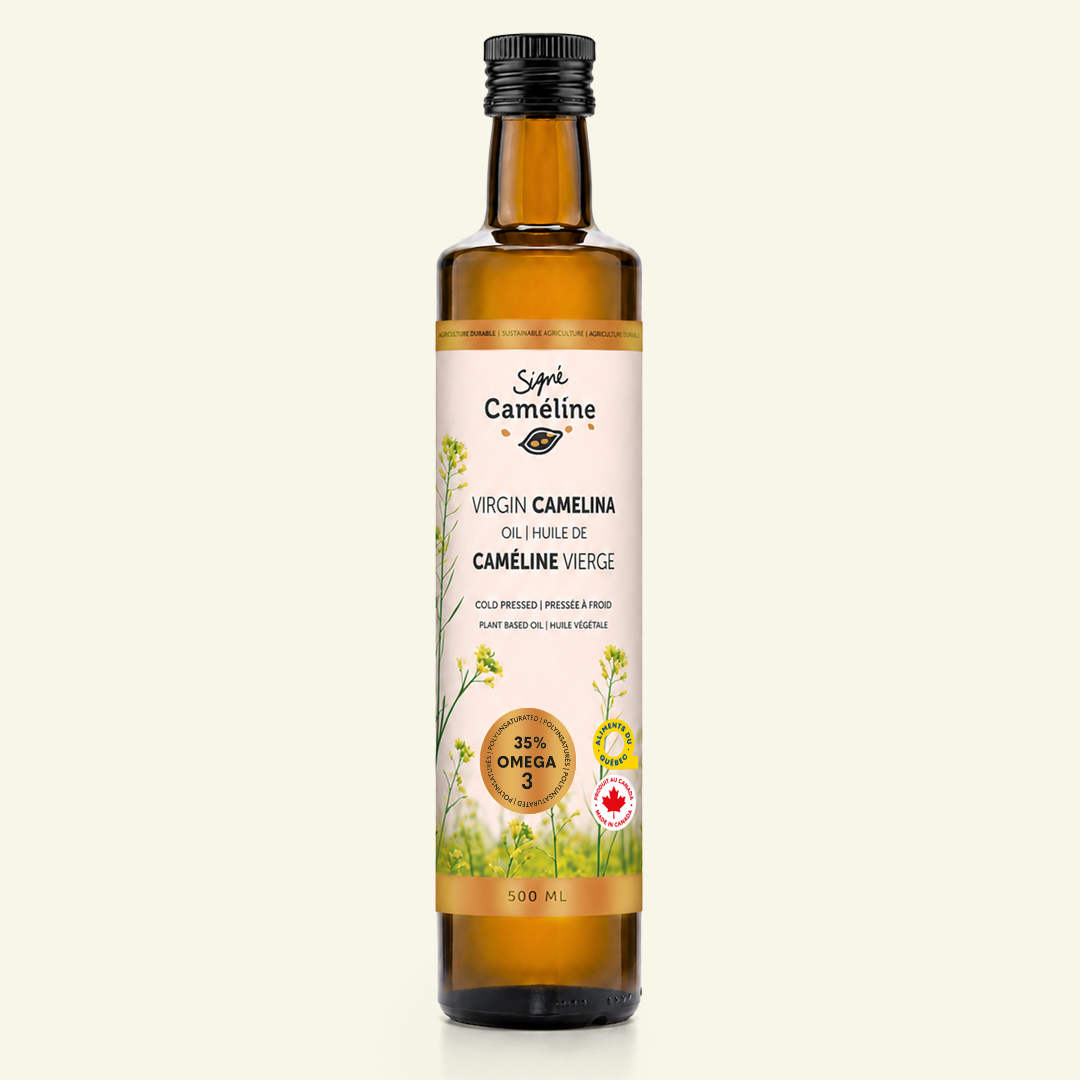
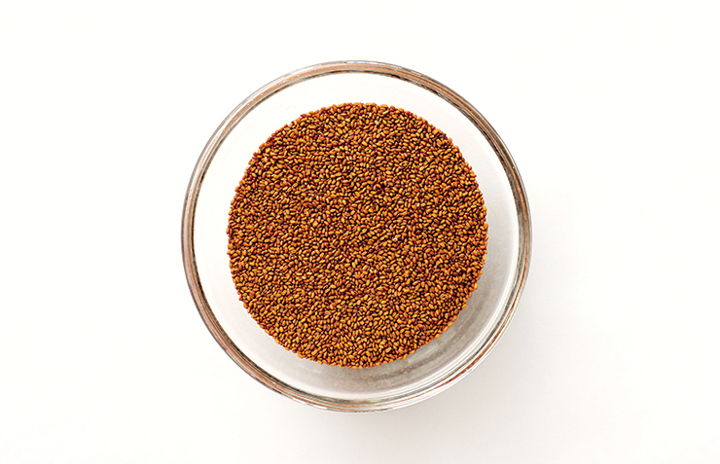
Camelina belongs to the The cruciferous plant family , which includes canola, mustard, cabbage, and broccoli. Its yellow flowers produce tiny ochre-colored seeds which, when cold-pressed, give a beautiful golden yellow oil . The crunchy seeds have a strong taste which is reminiscent of mustard seeds. Camelina oil has a milder flavor , with herbaceous aromas of cabbage, artichoke, snow peas, and raw sesame seeds.
3. Omega-3 Treasure Trove
Camelina seeds are a high source of fiber in addition to being rich in omega-3 , an essential fat known for its beneficial effects on heart and brain health. It is also a high source of vitamin E and antioxidants . The only downside: since camelina is related to mustard, it's possible that it causes a reaction in people with allergies.
4. Long shelf life
Camelina seeds and oil can be found in many grocery stores and health food stores. Its high vitamin E and antioxidant content makes it a valuable ingredient. It protects against rancidity . Once opened, a bottle of camelina oil It can be stored without any problems for up to 6 months at room temperature . It is suggested then transfer it to the refrigerator where, unlike olive oil, it does not freeze .
5. Camelina in the kitchen
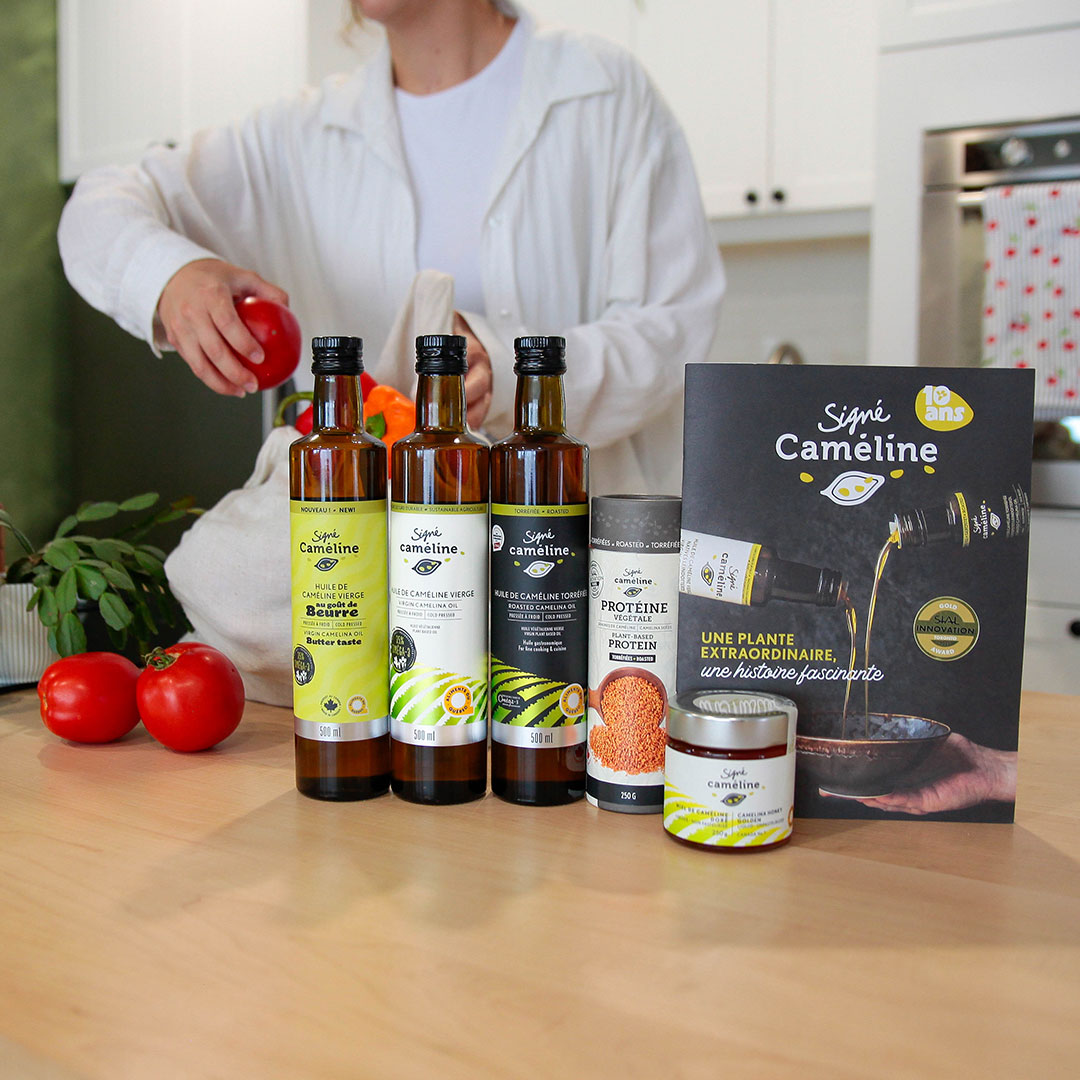
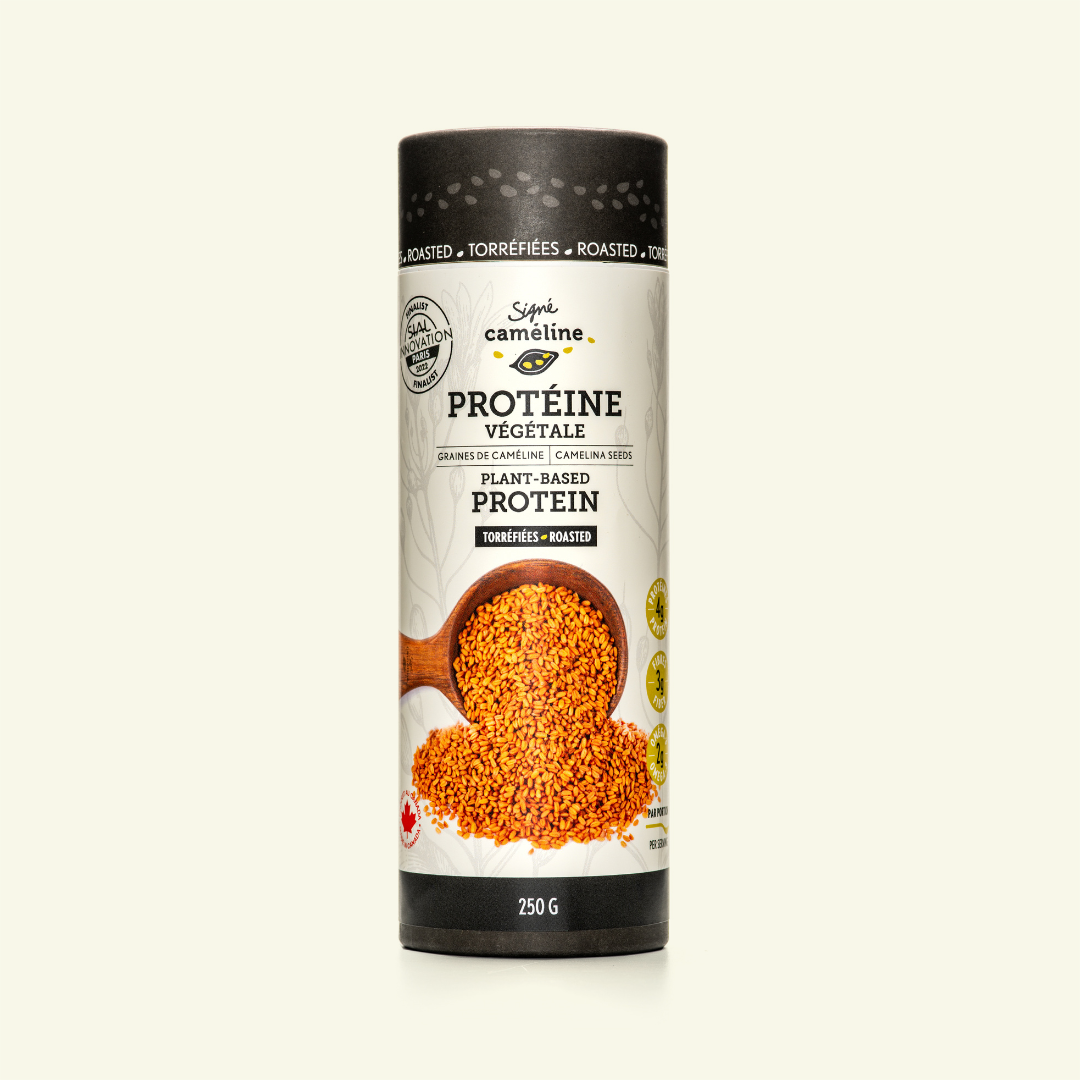
We take advantage of this wealth of omega-3 by incorporating camelina seeds into our muffins and our bars of energy. They are sprinkled toasted over fish, salads, soups, and stir-fries. Camelina oil, which It tolerates heat very well and can be used for pan-frying or grilling. It can also be drizzled over... hummus , greens, and Bruschetta . We offer you a recipe for sweet potatoes roasted in camelina oil and one green smoothie bowl Topped with camelina seeds… give it a try!
Want to cook with camelina? Here are a few recipes to incorporate it more into your meals: RECIPE SECTION