荠菜:富含Omega-3的植物冠军
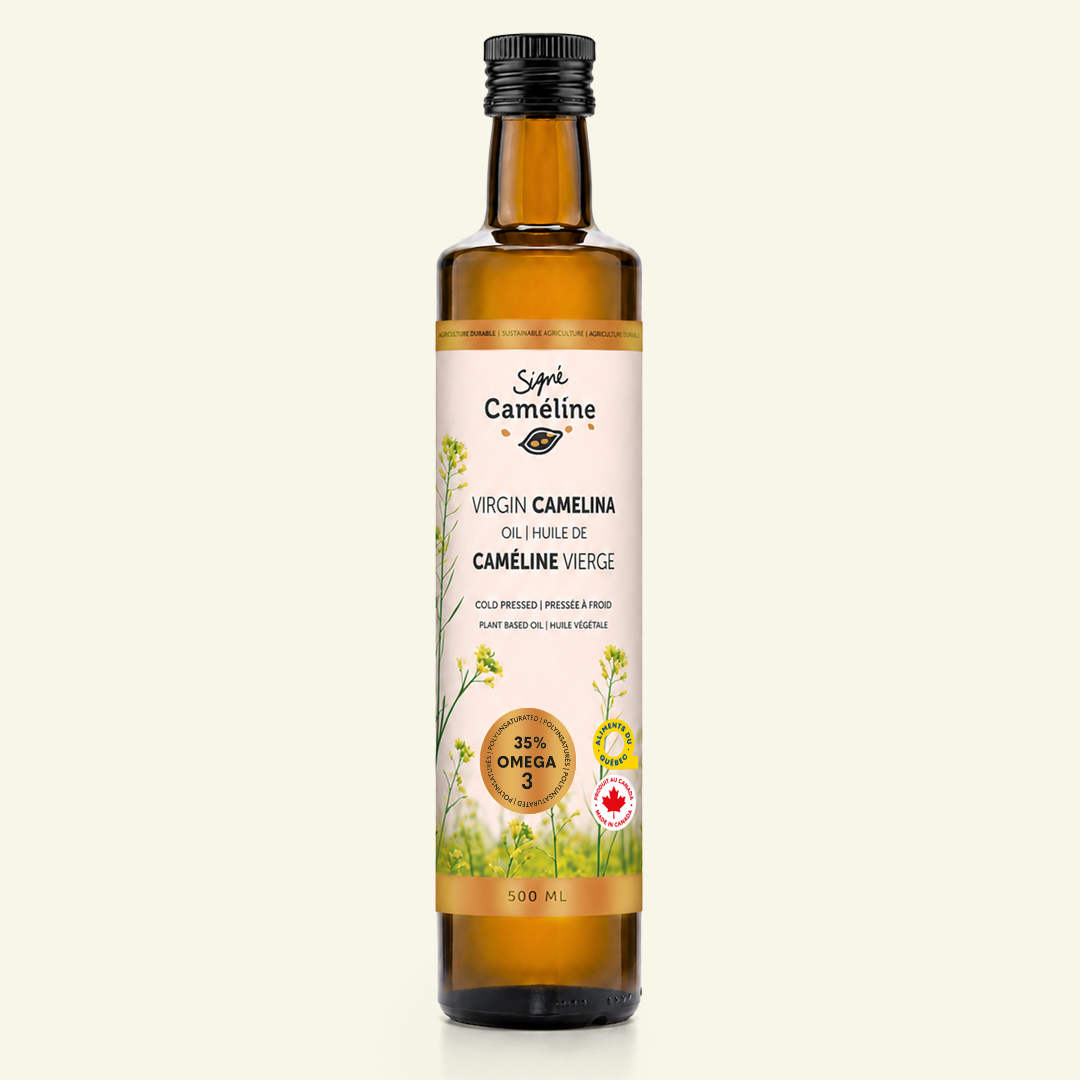
荠菜籽油以其极高的Omega-3(ALA)含量而闻名。根据科学研究,其脂肪酸总含量中通常有30%至45%是Omega-3。这使其成为Omega-3含量最高的植物油之一,同时比许多常用油提供更好的整体平衡。
与其他植物来源的比较
|
植物油 |
Omega-3(ALA)近似含量 |
|
荠菜 |
约30%至45% |
|
亚麻籽 |
约50%至60% |
|
油菜籽(芥花籽) |
约8%至10% |
|
大豆 |
约7% |
|
橄榄 |
< 1% |
虽然亚麻籽油的浓度最高,但荠菜油的突出优势在于其天然稳定性,这得益于其高维生素E含量,以及其高达475华氏度的极高烟点。
维生素E:荠菜油稳定性的关键
在评估富含Omega-3的油时,含量并非唯一重要标准。Omega-3脂肪酸对氧化高度敏感:热、光和氧气都可能迅速使其降解。
维生素E的关键作用
维生素E(生育酚)是一种强大的天然抗氧化剂。它能保护多不饱和脂肪酸免受氧化,并减缓油的酸败。
荠菜油天然含有大量的维生素E,这使其即使在Omega-3含量高的情况下,也具有卓越的氧化稳定性。
Omega-3:超越海洋来源
肥鱼常被认为是Omega-3的参考来源,但对海洋资源的依赖带来了几个问题:
- 鱼类资源面临压力
- 环境影响
- 与素食或纯素饮食不兼容
荠菜证明,从可再生和本地的陆地作物中获取高质量的Omega-3是可能的,同时也能满足现代营养需求。
荠菜:营养与环保的选择
凭借其:
- 高含量植物性Omega-3
- 天然富含维生素E
- 卓越的稳定性
- 均衡的Omega-3/Omega-6比例
荠菜成为海洋油和其他植物油的可持续和明智替代品。
它完美地体现了Omega-3可以同时是植物性、有效且环保的理念。
科学来源
- Budin, J. T., Breene, W. M., & Putnam, D. H. (1995). Some compositional properties of camelina (Camelina sativa L. Crantz) seeds and oils. Journal of the American Oil Chemists’ Society.
- Zubr, J., & Matthäus, B. (2002). Effects of growth conditions on fatty acids and tocopherols in Camelina sativa oil. Industrial Crops and Products.
- Zubr, J. (2003). Qualitative variation of Camelina sativa seed from different locations. Industrial Crops and Products.
- Abramovic, H., & Abram, V. (2005). Physico-chemical properties, composition and oxidative stability of Camelina sativa oil. Food Technology and Biotechnology.
- Simopoulos, A. P. (2002). Omega-3 fatty acids in inflammation and autoimmune diseases. Journal of the American College of Nutrition.